
Our mission
To contribute positively to the improvement of South Africa.
That is a broad statement, and we hold ourselves to a narrow reading of it. The Foundation works where young people already are — their schools, their sports fields, their townships — and backs the interventions that leave something behind once we have gone. It also argues in public for the things it believes in.
Education is the argument we keep making
The Foundation exists to keep education at the front of the national conversation, not only to fund it. That means saying plainly and repeatedly that finishing school changes what is possible for a young person, and that a matric certificate remains the clearest dividing line in a South African life.
The argument goes further than finishing school. It is also about understanding which skills a young person will need in the years ahead, and about the value of a mentor — someone to guide them not only through academic difficulty, but through life itself.
Sport is our first instrument
It reaches young people that a classroom programme never will, and it gives talent somewhere to be seen. A learner who plays in front of a crowd, a coach or a scout has a route that did not exist the week before.
So we put on the fixture, supply the kit and bring the people who make decisions to the touchline. Ability should not go to waste for want of an audience. The same hours on a field build discipline, teamwork and the habit of training for something months away — and those travel far beyond the game.
An event is also an economy
When the Powerico Winter Games are staged in Tembisa, they draw a crowd, and a crowd brings trade. Food stalls open along the touchline, traders sell goods, merchandise moves, and services are bought nearby for the duration of the tournament.
That spending happens in the township and stays there. We treat it as part of the point rather than a side effect: where an event is held, who gets the stalls and what is procured locally are decisions the Foundation makes deliberately.
Services where people live
A community should not have to travel to reach what it is owed. That means sports facilities that are open and maintained, safe grounds to play on, coaching that arrives regularly rather than once, and support services attached to school events.
It also means information — about bursaries, applications and opportunities — reaching the people who actually qualify for it. Wherever there is a choice, we strengthen what a community already has rather than build a parallel structure beside it.
01
Education, said out loud
Keeping the importance of finishing school at the front of the national conversation, not only funding it.
02
A platform for talent
Fixtures, kit and coaching, plus the audience that lets ability be seen by someone in a position to act on it.
03
Economic activity
Events staged in the communities they serve, so that stalls, merchandise, food and local procurement keep a crowd's spending where the crowd lives.
04
Services closer to home
Facilities, coaching, support and information made available locally, by strengthening what already exists rather than replacing it.
05
Democratic dialogue
Convening open, public discussion of the issues facing society, with the people most affected in the room.
Our vision
A South Africa where a learner's postcode no longer predicts their prospects.
And where every child has a reason to stay at school until they finish.
We use sport to get there. Bringing schools together on the field turns attendance into belonging, and belonging is what carries a learner through to Grade 12. Sport teaches what a syllabus cannot — discipline, teamwork, losing well, training for something months away — and those habits travel into a matric year, a first job and a household long after the final whistle.
Founder
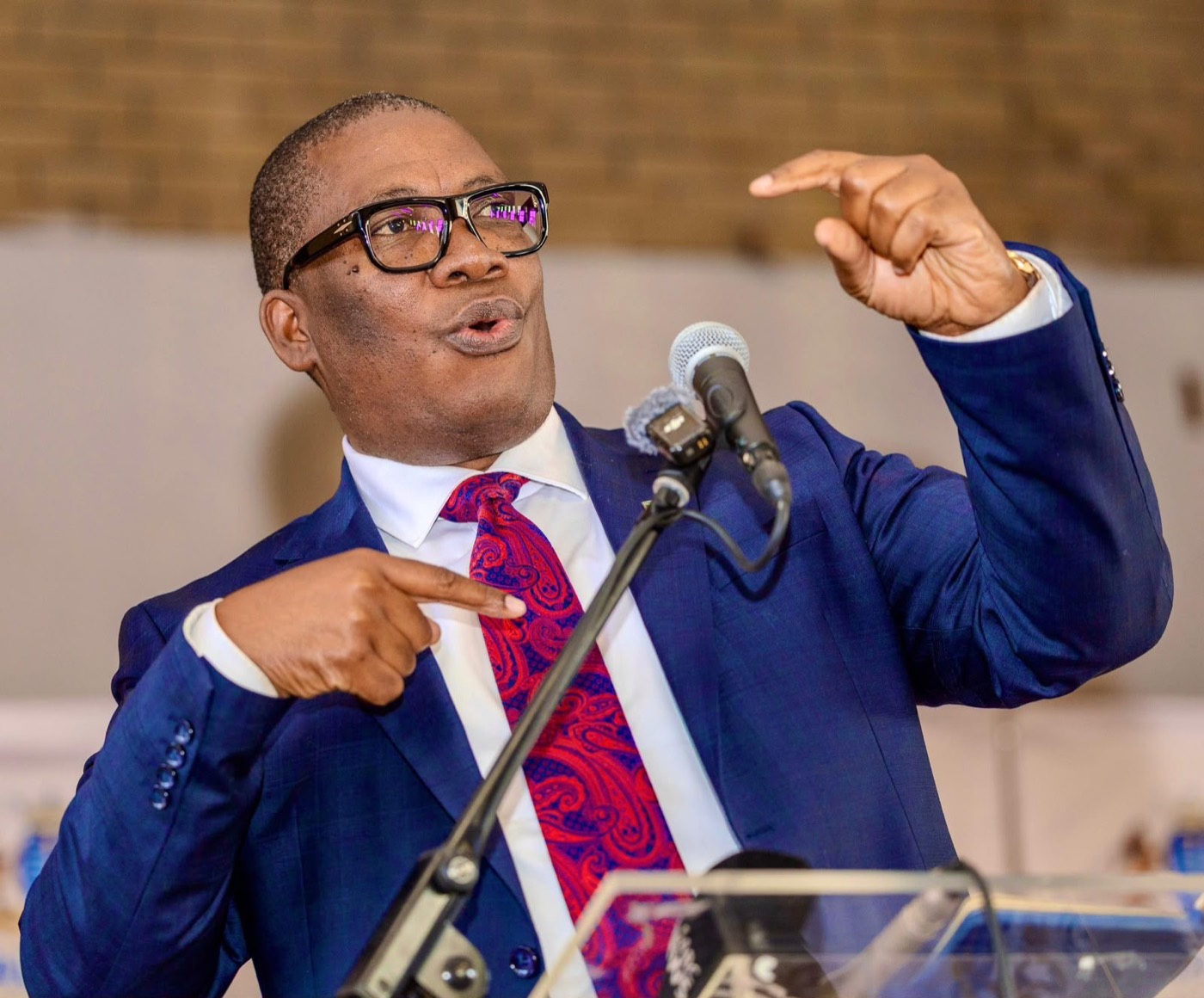
Panyaza Lesufi
Founder · Premier of Gauteng
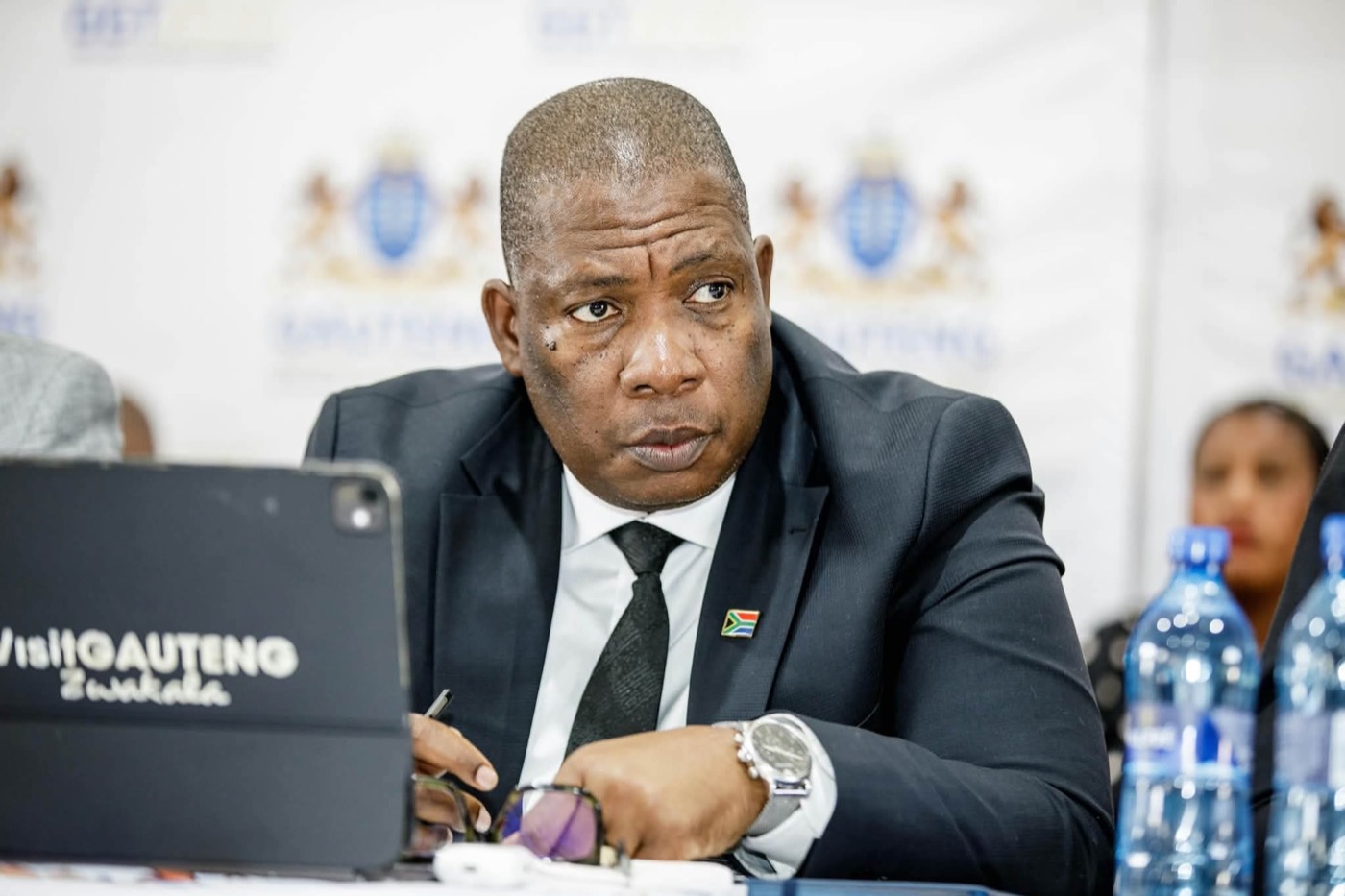
Panyaza Lesufi has been Premier of Gauteng since October 2022. The Foundation carries his name and continues, outside of government, an argument he has made for most of his working life: that where a child is born should not decide how far they get.
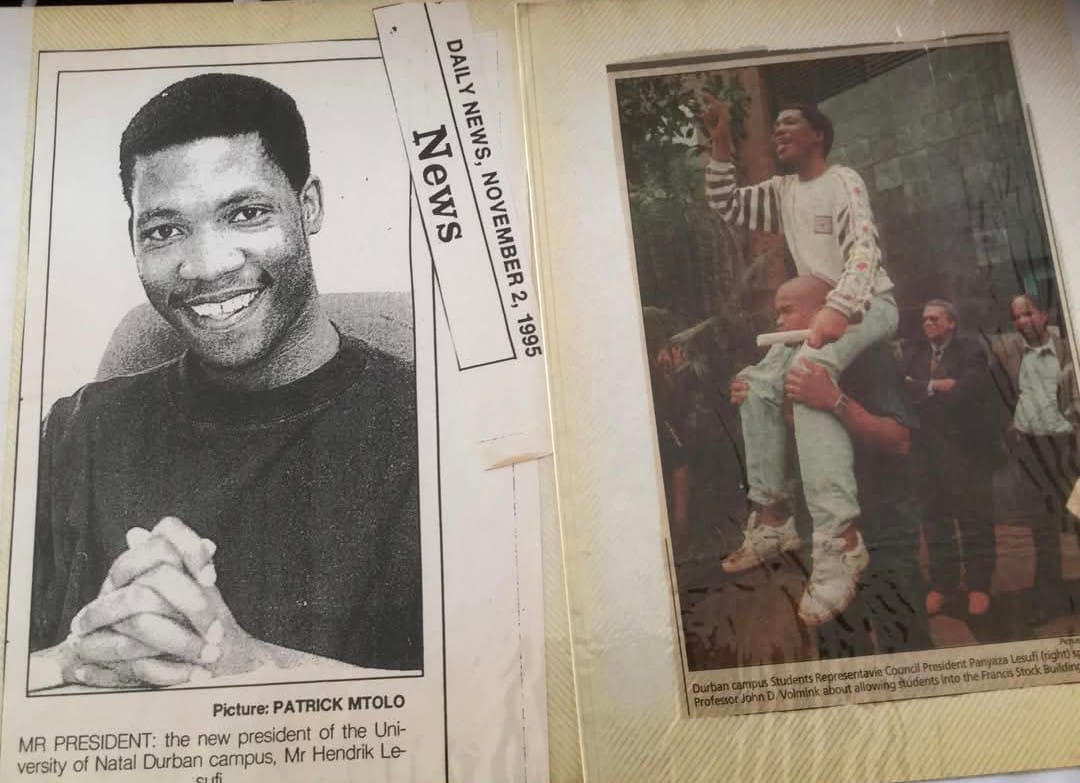
His career has been built around education. He served as Gauteng's MEC for Education from 2014 until taking office as Premier, and before that worked at the national Department of Basic Education, including as its spokesperson and as a Deputy Director-General. He came into public life through student politics: the Daily News of 2 November 1995 reported his election as president of the Students’ Representative Council at the University of Natal’s Durban campus.
As MEC he became closely associated with putting technology into public classrooms — the paperless and smart-school programme that brought devices and connectivity into schools across the province — and with a sustained, public insistence that admission to a good school should not turn on what a family can pay or which suburb it lives in. He has been willing to have that argument loudly, and in the open.
The Foundation is where that work continues without the machinery of the state: sport used to keep young people in school and to let ability be seen, business convened around it, and the trade an event brings to the community that hosts it treated as part of the point rather than a by-product.
Draft biography — not yet approved. This was written from the public record. The Premier's office holds the official text: confirm the titles, the dates, the wording and the photograph before this page is published.
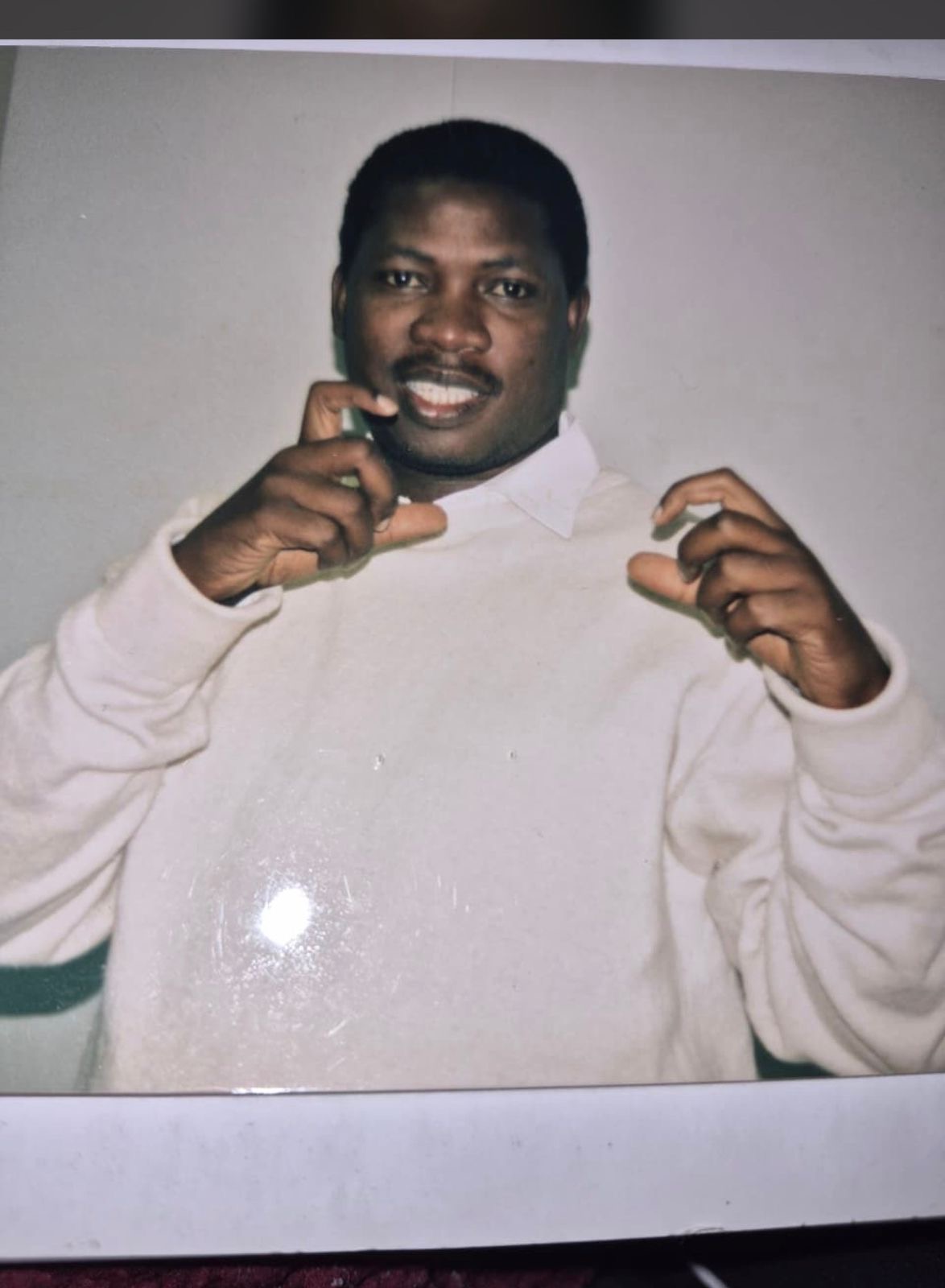
From the archive
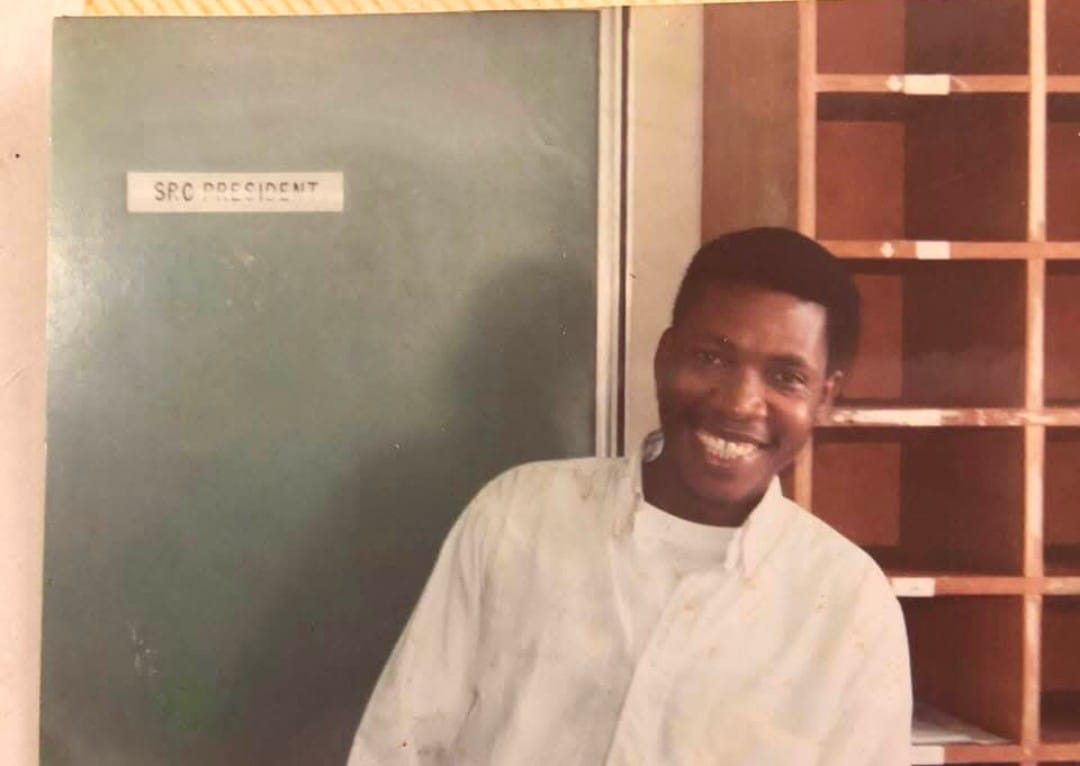
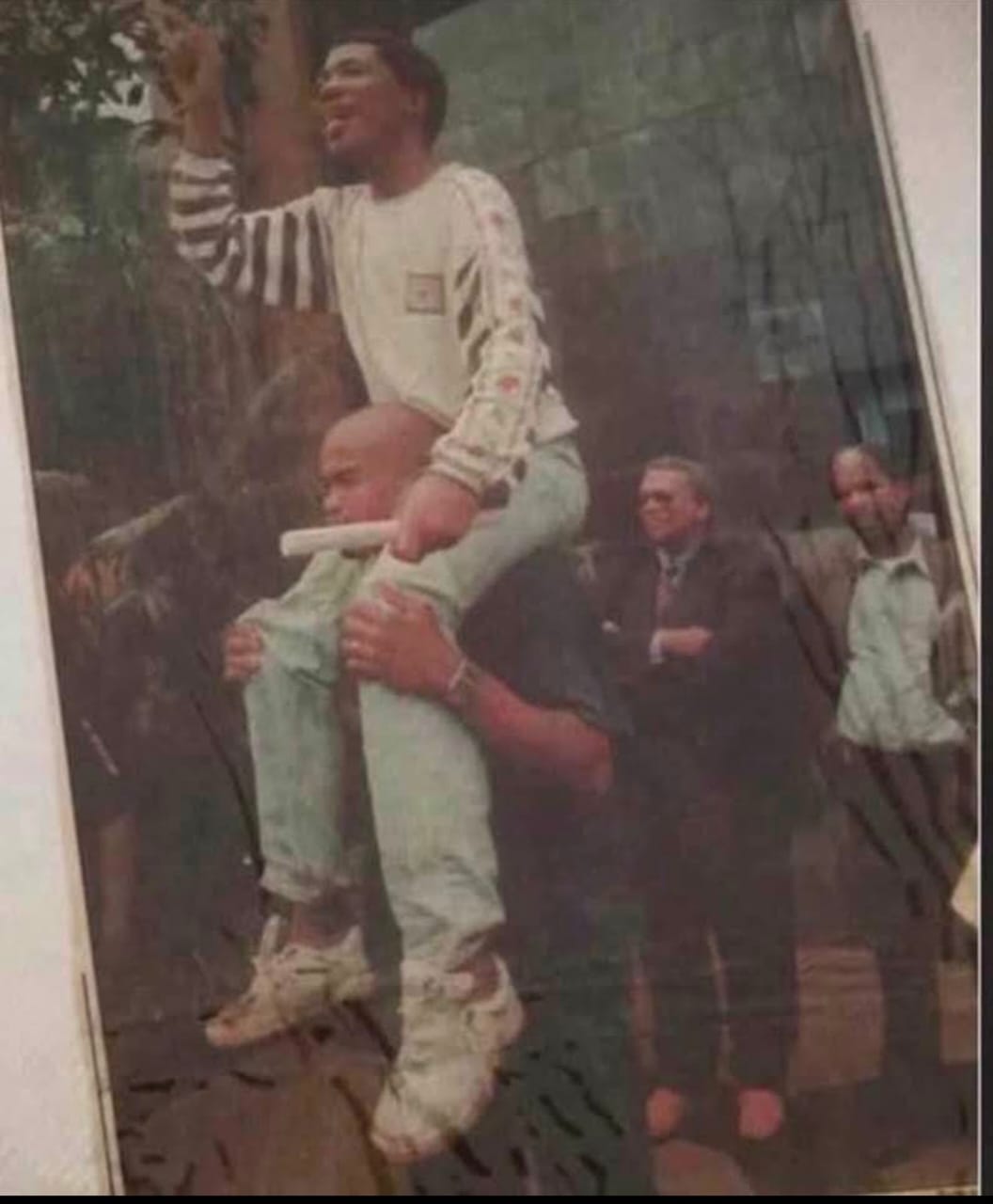
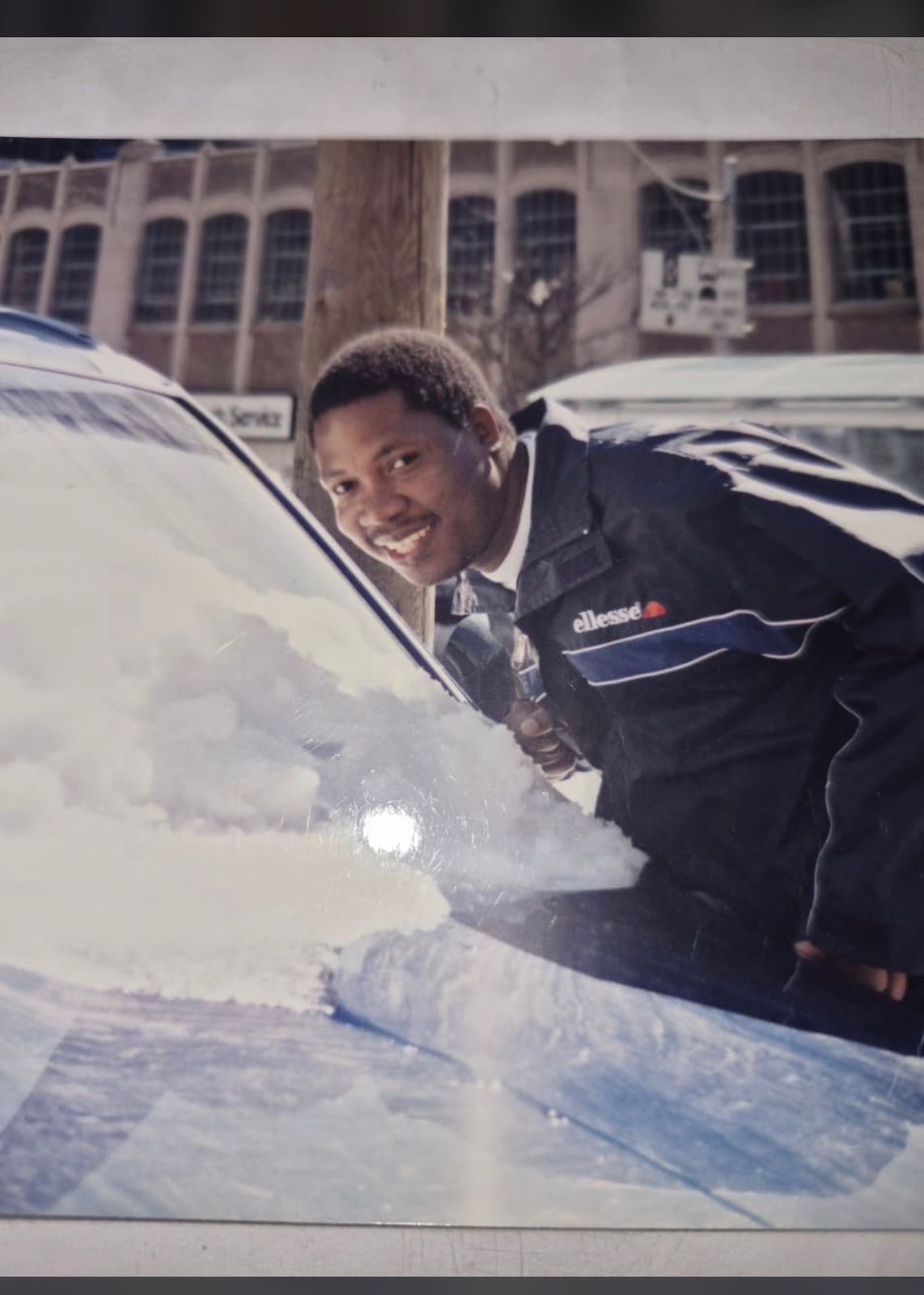
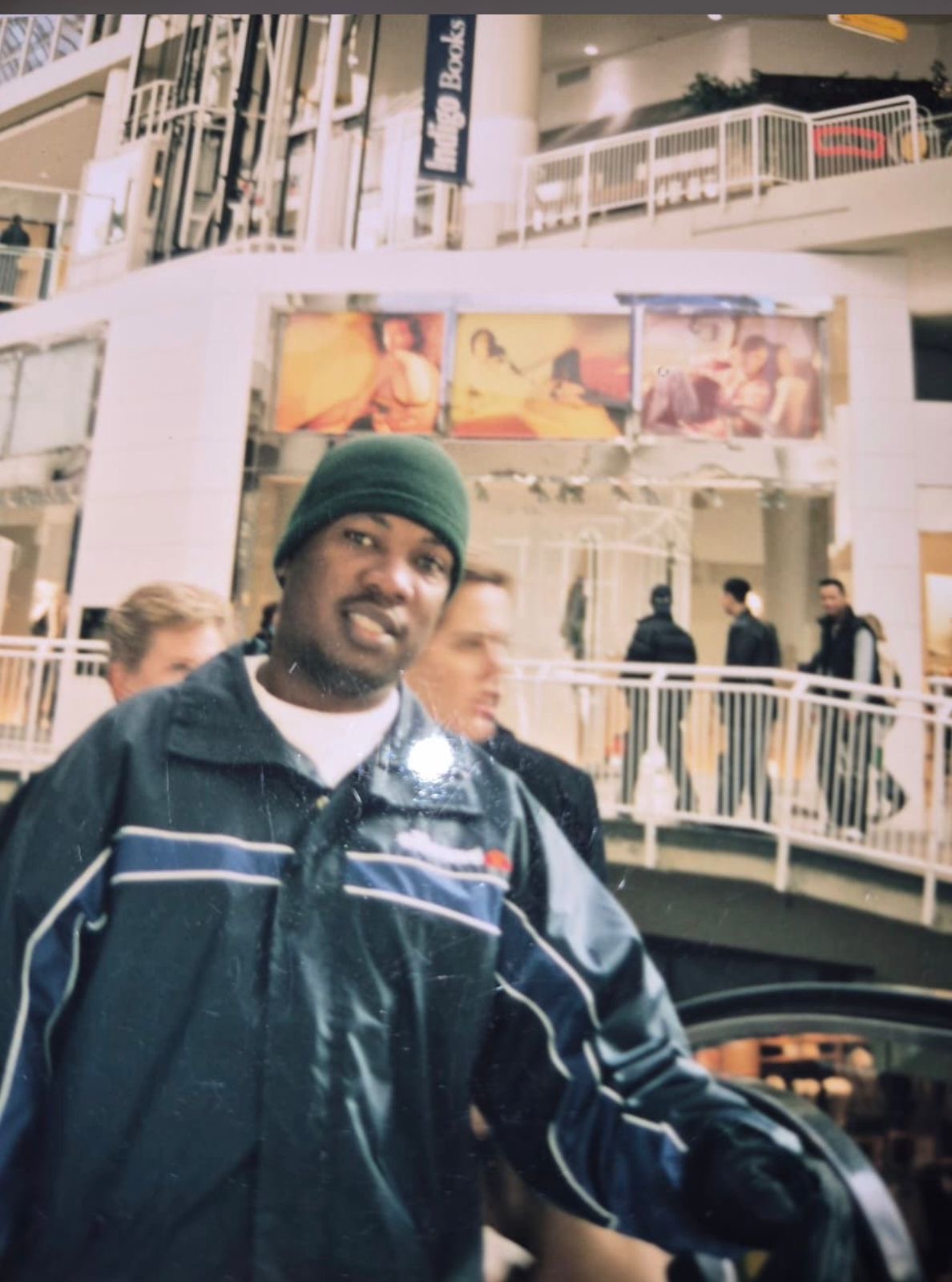
What guides us
Values
01
Dignity first
Support is delivered in a way that respects the learner, the family and the school.
02
Open books
Every rand received and spent appears in a published annual report.
03
Built to last
Projects are handed over to the school with training and a maintenance plan.
04
Evidence led
Outcomes are measured each term and programmes that under-perform are changed.
05
Local hands
Wherever possible, work is done by people who live in the community.
06
Fair access
Selection criteria are published in advance and applied consistently.
Gallery
Moments from the work
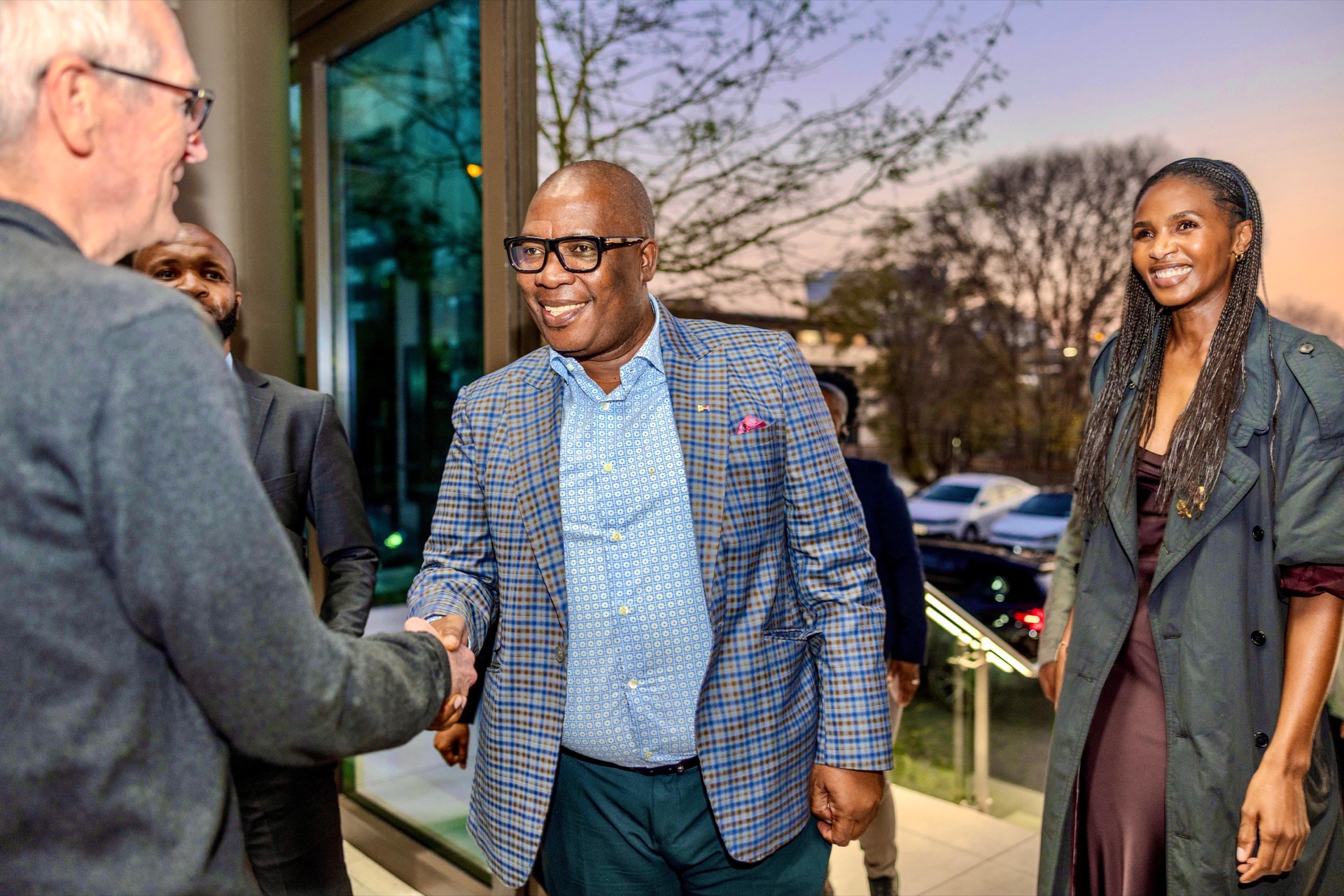
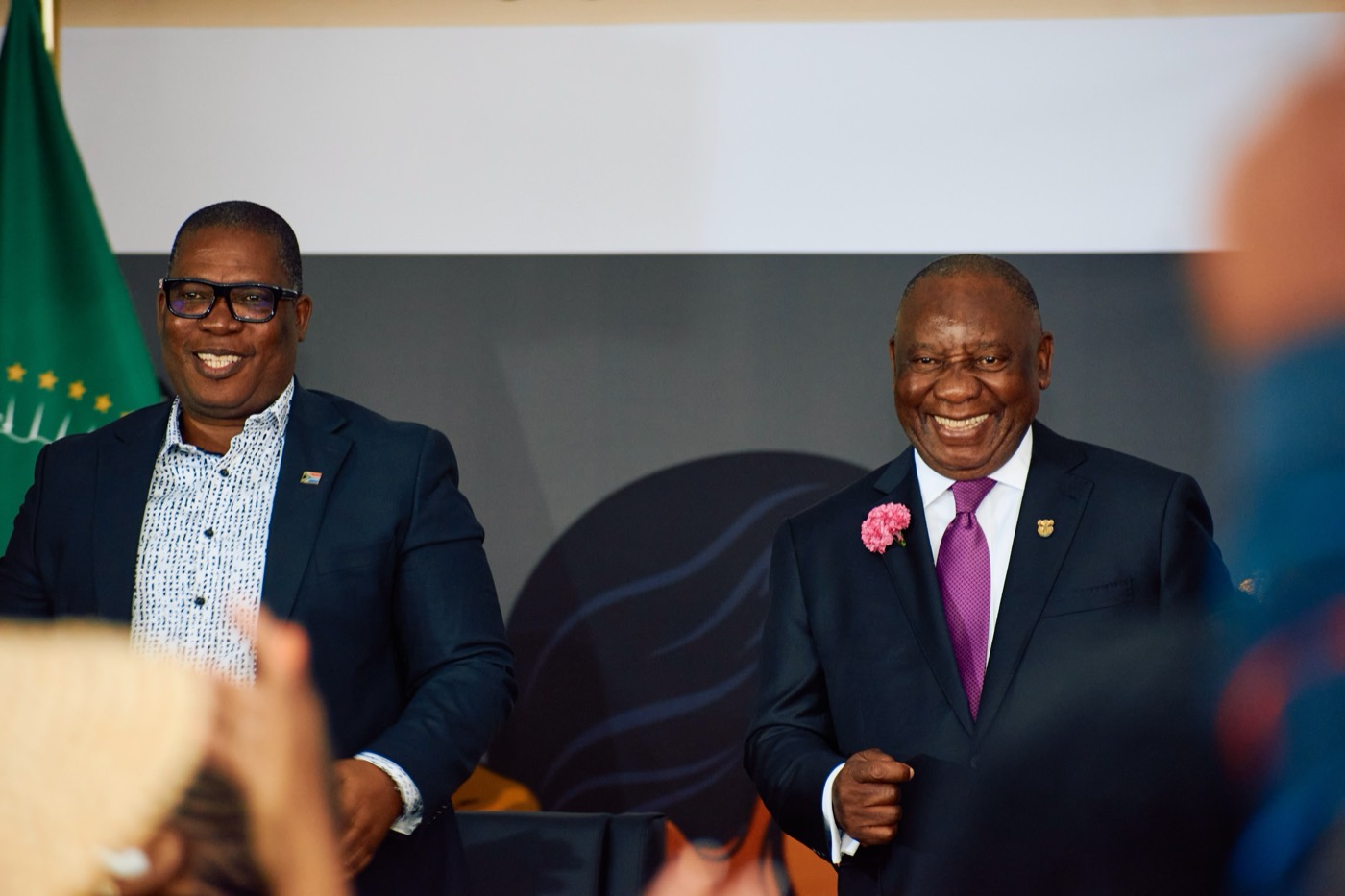
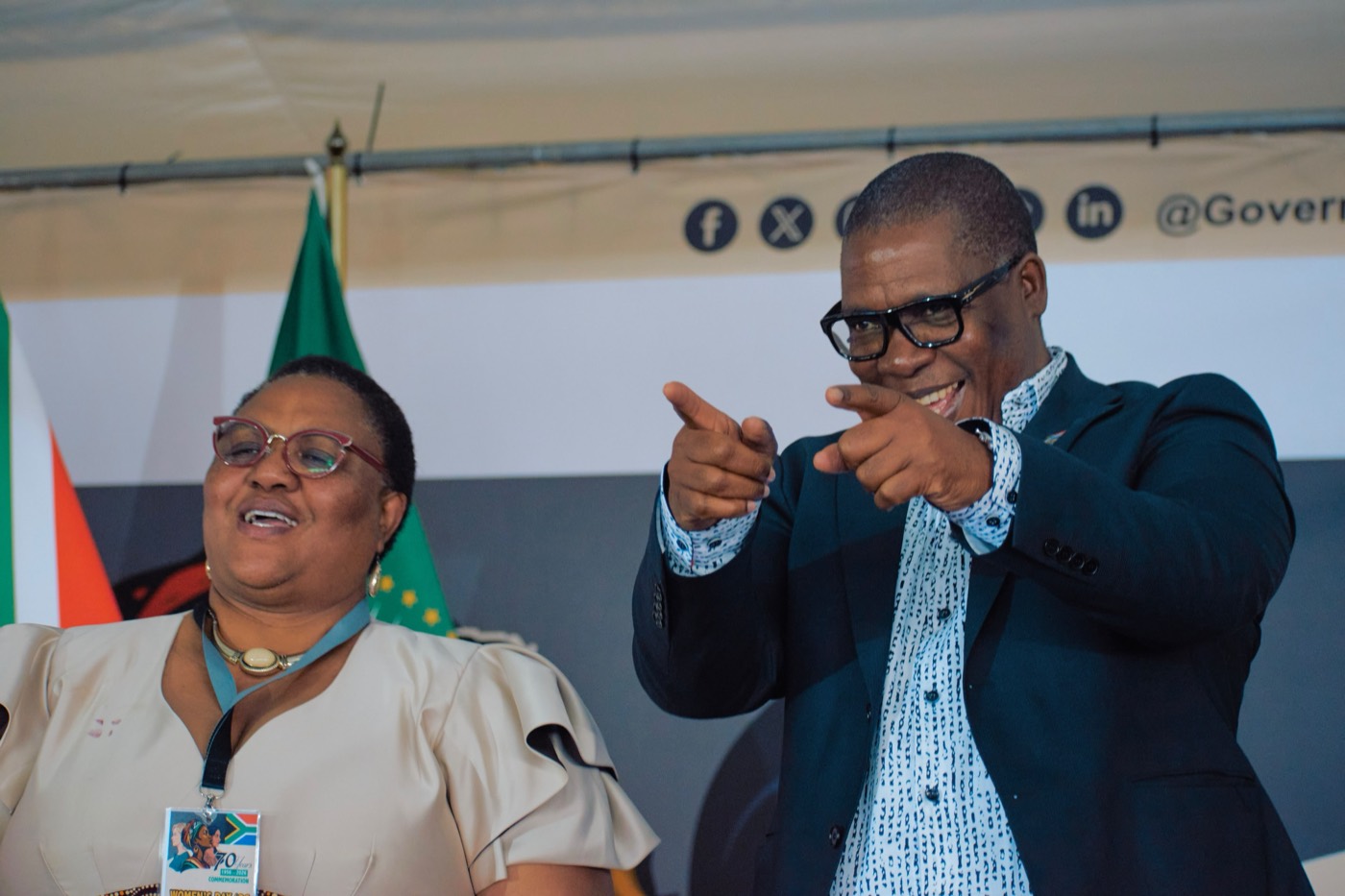
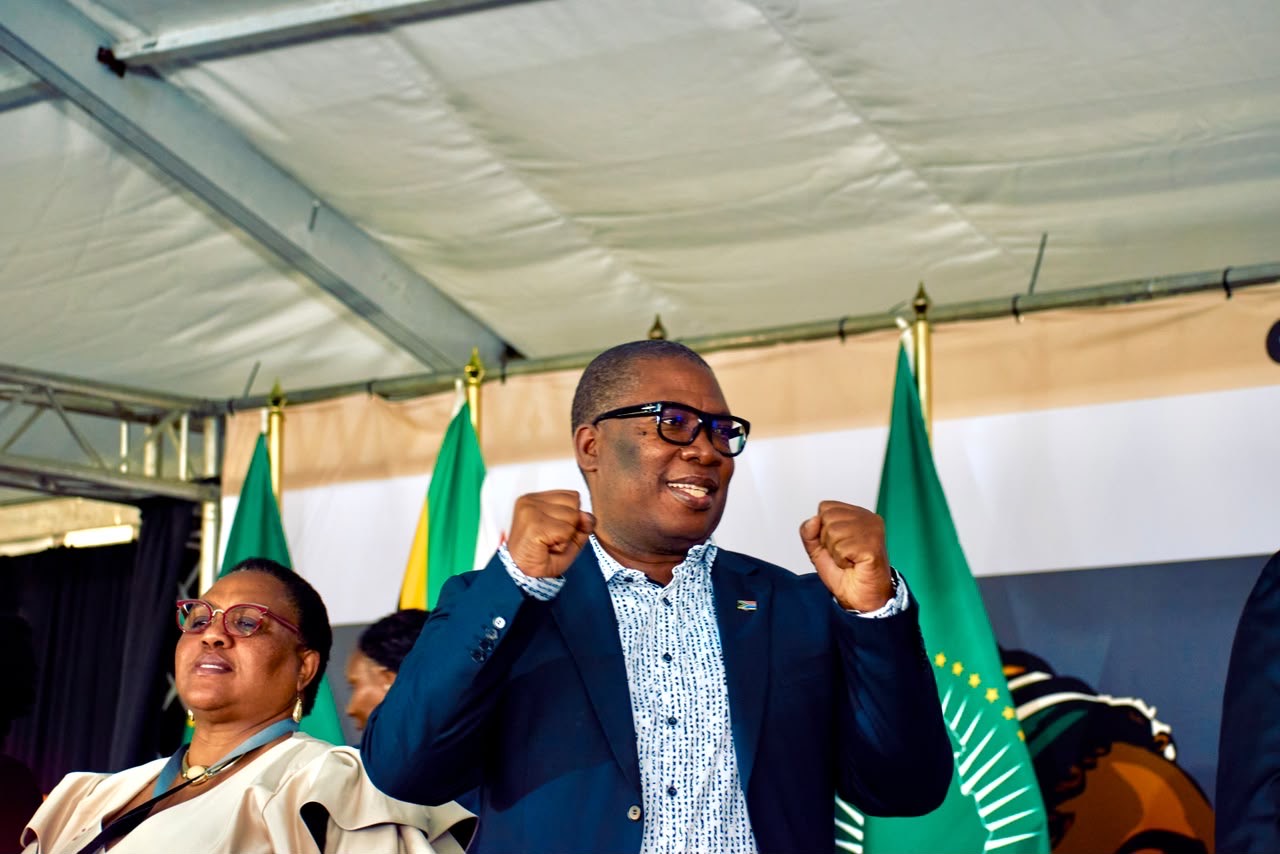
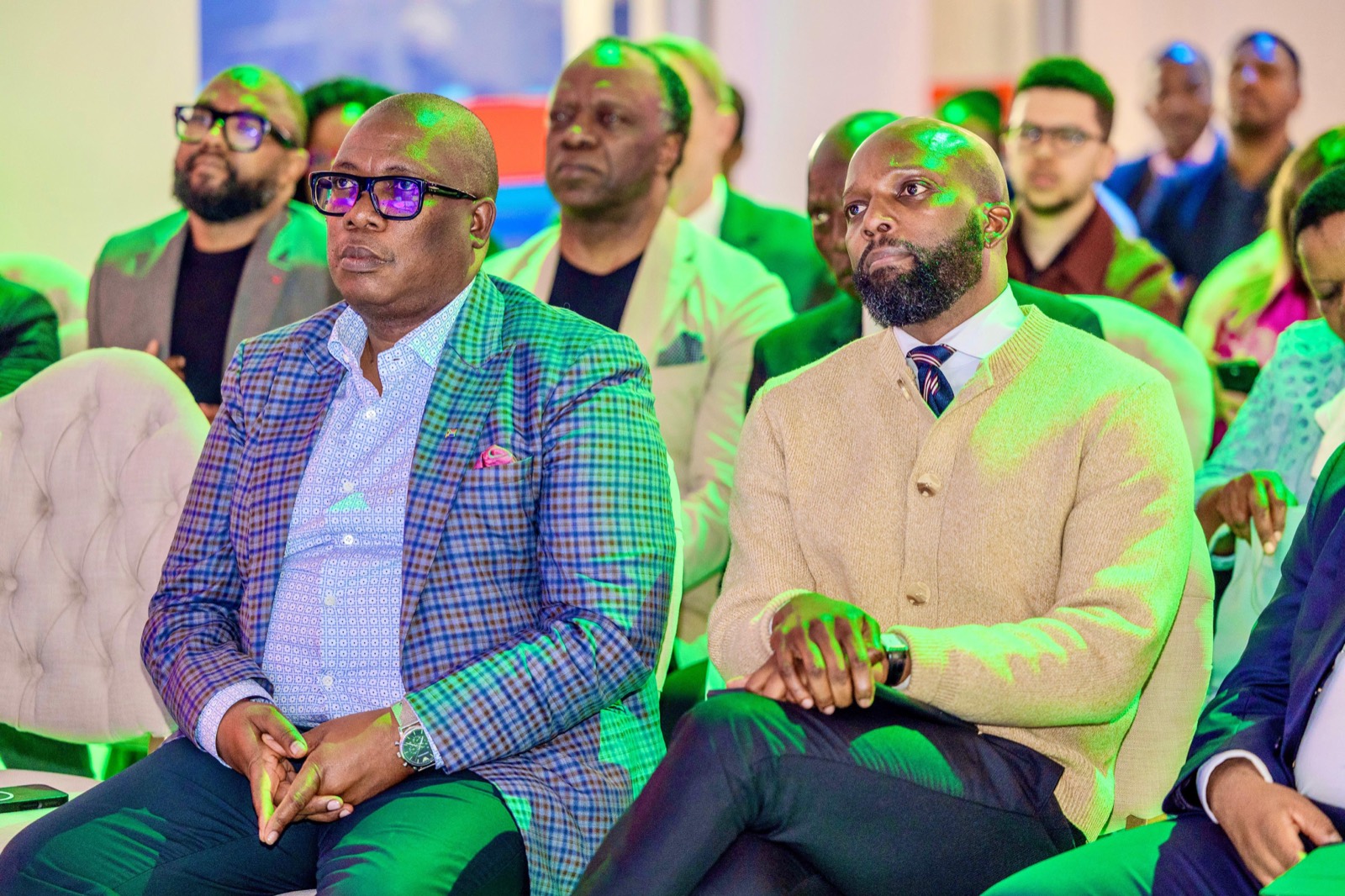
Photographs from Foundation events, programmes and public engagements.
Governance
Board members
The Foundation’s board will be listed here once appointments are confirmed.
Names, roles and short biographies are being finalised and will be published in full, alongside the Foundation’s registration details and annual reports.
Accountability
Reports and registration
Reports are published here as they are completed.
| Document | Period | Status | Download |
|---|---|---|---|
| Annual report | 2026 | In preparation | — |
| Audited financials | 2026 | In preparation | — |
NPO and PBO registration numbers to be confirmed. Section 18A receipts issued on request.